

California lemon law for leased vehicles in 2026 can protect drivers who repeatedly experience serious problems with a car they do not own outright. Leasing often appeals to consumers who want a newer vehicle without committing to a traditional purchase. However, a lease does not guarantee that the vehicle will operate reliably.
Some leased cars experience engine failures, electrical malfunctions, transmission problems, or other defects during the manufacturer’s warranty period. These problems may interrupt daily transportation and create repeated dealership visits.
California’s Song-Beverly Consumer Warranty Act provides protections for qualifying leased vehicles. Under certain conditions, the manufacturer may need to offer a replacement or restitution when it cannot repair a covered problem after a reasonable opportunity.
This guide explains eligibility, documentation, lease payments, and important questions to consider before pursuing a claim.
How California Lemon Law Protects Leased Vehicles
California’s lemon law generally applies to qualifying new vehicles sold or leased with an original manufacturer warranty.
That means a driver does not necessarily lose protection simply because the vehicle belongs to a leasing company.
However, the law does not guarantee a buyback whenever a leased car needs repairs. The defect, warranty, repair attempts, and timing all matter.
Understand which leased vehicles may qualify
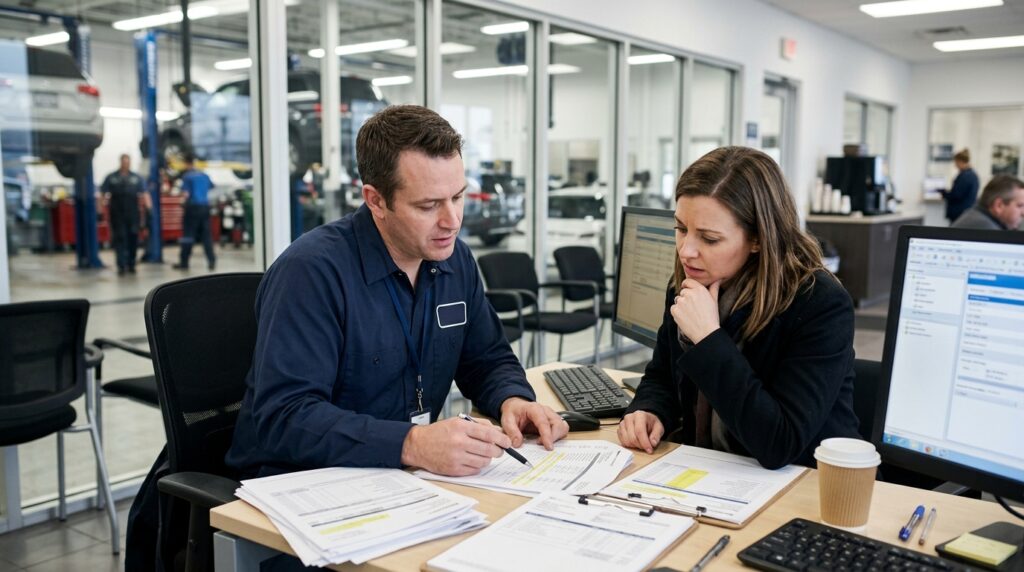
A qualifying vehicle generally must have a warranty-covered problem that substantially impairs its use, value, or safety.
The manufacturer must also receive a reasonable opportunity to correct the problem.
A minor cosmetic complaint may present a different legal issue from recurring brake failures or an engine that unexpectedly loses power.
Consumers should evaluate the actual vehicle and its history rather than assuming that a particular brand automatically qualifies.
Why the manufacturer’s warranty matters
A manufacturer’s original warranty sets out important repair obligations for the vehicle.
The warranty may cover certain mechanical, electrical, or other defects during a specified time or mileage period.
If a defect arises within applicable coverage, document the problem and request authorized warranty service.
Do not assume that an unrelated aftermarket service contract creates the same rights as the original manufacturer warranty.
The California Attorney General’s vehicle consumer guide explains the connection between warranty coverage and lemon law remedies.
What counts as a reasonable repair opportunity?
The law considers whether the manufacturer or its authorized repair facilities received reasonable opportunities to correct a qualifying problem.
There is no universal rule that every vehicle becomes a lemon after exactly three visits.
The number of attempts, seriousness of the defect, and time spent unavailable for repairs may all influence the analysis.
California also has statutory presumptions that can help consumers under defined circumstances.
However, falling outside a presumption does not necessarily eliminate all possible warranty rights.
Keep every repair order, including visits where a technician could not duplicate the complaint.
How a lease changes the financial picture
A vehicle lease involves financial responsibilities that differ from those associated with an ordinary purchase.
The driver may make monthly payments while a leasing company holds ownership of the vehicle.
A potential lemon law remedy therefore requires careful attention to the lease agreement, finance records, and manufacturer obligations.
Consumers should not assume that a leased-vehicle restitution calculation matches the one for a fully paid-off purchased car.
What happens to monthly payments during a dispute?
Filing a warranty complaint does not automatically suspend a lease payment obligation.
Continue reviewing the contract and obtain qualified advice before stopping payments.
Missed payments may create additional disputes with the leasing company and could affect the consumer’s financial standing.
Keep payment records, account statements, and correspondence about the lease.
If the manufacturer discusses a repurchase or replacement, request written explanations of how the lease balance and other amounts will be handled.
Never rely entirely on a verbal promise that future payments are no longer required.
How to Prepare a Leased-Vehicle Lemon Law Claim
The strongest starting point is an accurate record of the defect and the manufacturer’s attempts to repair it.
Drivers should collect documents early instead of trying to reconstruct several months of service history after a dispute begins.
A clear timeline can help identify recurring problems and the dates when the vehicle remained at a dealership.
Build your repair and lease documentation
Gather your lease agreement, original warranty booklet, service records, payment statements, and relevant communications.
Record the date and mileage for every defect-related repair visit.
When a warning appears, capture a photograph only when the vehicle is safely parked.
Explain the symptoms accurately and ask the service department to include them on the repair order.
What to do when a leased car keeps returning for repairs
If the same defect returns, schedule another authorized warranty appointment and bring earlier repair records.
Ask the service advisor to document the recurrence rather than treating it as an unrelated complaint.
Keep the final repair order even when the dealership reports that it found no problem.
Our guide to intermittent vehicle defects explains why unsuccessful diagnostic visits can still matter.
If the problem affects safe operation, stop using the vehicle when necessary and seek appropriate towing or repair assistance.
Check which California claim procedure applies
California introduced new lemon law procedures through AB 1755 and SB 26.
Importantly, the newer process depends on whether the manufacturer elected to participate under the statutory framework.
Consumers should verify the relevant manufacturer and applicable rules before relying on a particular notice or filing procedure.
Read our California lemon law notice rules guide for an explanation of this distinction.
Do not confuse lease termination with a manufacturer buyback
Returning a leased car at the scheduled end of its term is different from pursuing a lemon law remedy.
A voluntary early lease termination may involve charges under the agreement.
A manufacturer repurchase or replacement, when legally required or negotiated, follows a different process.
Ask which arrangement the proposed paperwork actually describes.
Review any release or settlement document before signing.
Understand mileage and use considerations

California lemon law restitution may involve a statutory allowance for use under applicable conditions.
For leased vehicles, the calculation can require careful review of mileage and the governing legal procedure.
Do not assume that the current odometer reading alone determines the amount.
Keep records showing when the relevant defect first appeared and when the vehicle entered repair service.
Obtain an individualized calculation before deciding whether to accept an offer.
Ask about registration and incidental expenses
A lemon law resolution may raise questions about fees, payments, towing, and other eligible expenses.
Not every expense qualifies for reimbursement automatically.
Preserve receipts and ask for an itemized explanation of any proposed restitution.
Compare the offer with your actual lease and payment records.
When significant amounts remain disputed, consider professional legal advice.
Understand what happens to the vehicle after repurchase
A manufacturer repurchase generally involves a process for returning the defective vehicle and resolving applicable financial obligations.
The leaseholder should receive clear instructions about the return location, required documents, and transaction timing.
Do not transfer possession before understanding the written terms.
Some vehicles repurchased under lemon law may later receive special branding and resale disclosure requirements.
For more context, read our lemon law buyback title guide.
Consider arbitration and other dispute options
Some manufacturers participate in state-certified arbitration programs for qualifying warranty disputes.
These programs offer consumers a structured method for presenting records and obtaining a decision.
However, eligibility, procedural requirements, and available outcomes differ.
Consumers should check whether the manufacturer offers a certified program and understand any effect on their other legal options.
Do not assume arbitration is mandatory for every lemon law dispute.
Know when to seek legal guidance
Legal guidance may be useful when a manufacturer rejects a claim, disputes the repair history, or proposes a complicated financial settlement.
An attorney can evaluate the lease documents, warranty terms, and applicable California procedure.
Ask about potential deadlines and the effect of any required manufacturer notice.
Do not delay solely because the vehicle remains under lease or because the dealership continues attempting repairs.
Protect your credit and financial records
A defective leased vehicle can create financial pressure when transportation becomes unreliable.
However, consumers should avoid making unilateral payment decisions without understanding the consequences.
Contact the leasing company regarding billing questions and obtain any agreed adjustment in writing.
Preserve account statements throughout the dispute.
Accurate records can help explain how the unresolved defect affected the lease.
Keep a clear written timeline
A useful timeline includes the original lease date, defect descriptions, repair attempts, mileage, days out of service, and manufacturer correspondence.
Separate confirmed facts from assumptions about the cause of the problem.
Include supporting documents for each major event.
This approach helps reviewers understand whether the vehicle experienced a recurring warranty issue.
It also reduces confusion when several dealership representatives handled different visits.
What leased-vehicle drivers should remember
California lemon law for leased vehicles in 2026 can provide meaningful protection when a qualifying defect remains unresolved after a reasonable repair opportunity.
Leasing does not automatically eliminate those rights, but the financial remedy and claim procedure require individual analysis.
Save repair records, review warranty coverage, understand your lease obligations, and verify the manufacturer’s applicable process.
Legal disclaimer: This guide provides general information, not legal advice. Eligibility, deadlines, and remedies depend on the vehicle, warranty, lease, repair history, and governing California law.