
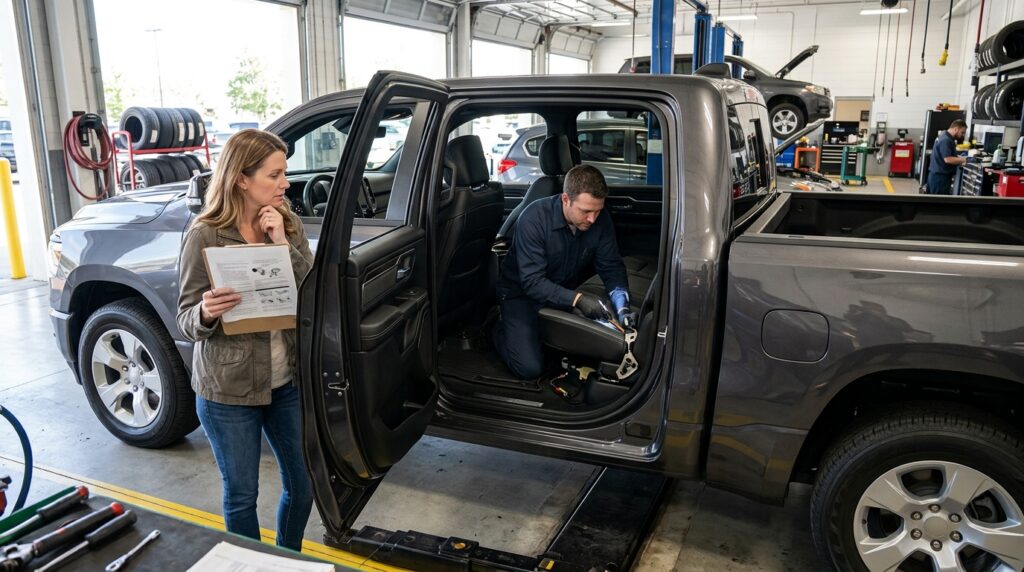
A major Ram 1500 safety recall is getting attention in August 2026. FCA US has recalled more than 1.27 million trucks because some second-row seat-belt buckle anchors may not have been properly secured to the vehicle body.
The recall covers certain 2019 through 2026 Ram 1500 trucks. The National Highway Traffic Safety Administration assigned the campaign recall number 26V495. FCA identifies it as campaign 67D.
The problem matters because a loose or improperly attached buckle anchor may reduce how well the seat belt restrains a passenger during certain crashes.
However, owners should understand an important detail. The recall includes more than 1.27 million trucks so FCA can inspect the affected population. FCA estimates that about 0.1% may actually contain the defect.
A recall this large can also create questions about lemon law. Does owning a recalled Ram automatically make the truck a lemon? What happens if the repair fails? What if the dealer cannot complete the repair quickly?
The answer depends on what happens with your specific vehicle.
For more background, read our guide to the difference between a vehicle recall and a lemon law claim.
What Ram 1500 Owners Should Know About Recall 26V495
FCA submitted the safety recall report to NHTSA on July 30, 2026. The filing covers 1,271,294 potentially affected Ram 1500 trucks from model years 2019 through 2026.
The suspect production period runs from February 17, 2018 through April 27, 2026.
The issue involves the second-row seat-belt buckle anchors. These anchors connect part of the restraint system to the truck’s body structure.
If an anchor was not properly attached, the seat belt may not manage crash forces as designed. That could reduce protection for a rear-seat occupant.
NHTSA’s filing says FCA does not expect a warning before the problem becomes relevant. In other words, an owner may not see a warning light or dashboard message that reveals the condition.
Which Ram 1500 Trucks Are Potentially Affected?
The recall covers certain 2019, 2020, 2021, 2022, 2023, 2024, 2025, and 2026 Ram 1500 trucks.
That does not mean every Ram 1500 from those model years has a loose seat-belt anchor. FCA used production and service information to identify the population that needs inspection.
The best way to check a specific truck is by VIN.
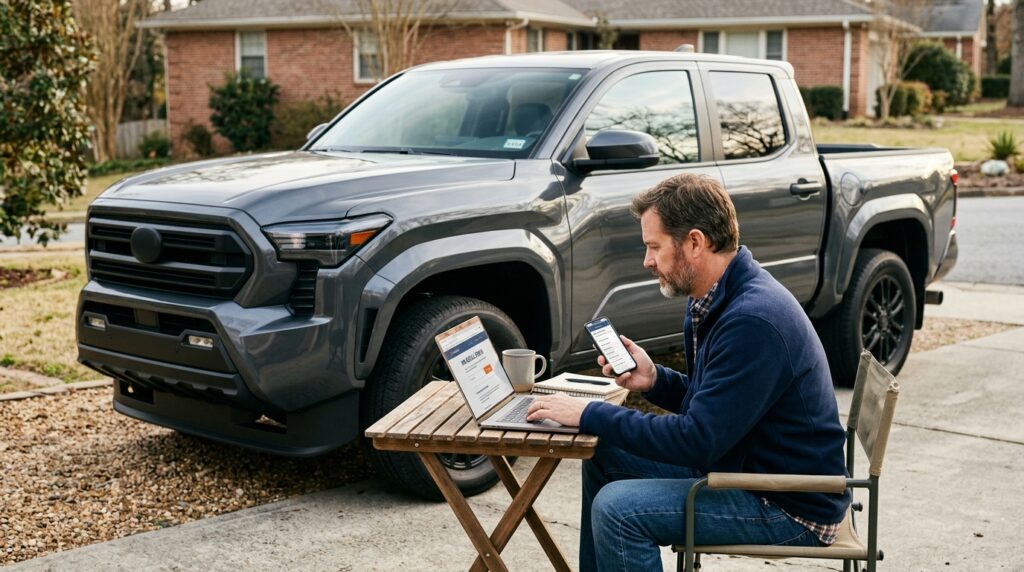
NHTSA says affected VINs became searchable on August 6, 2026. Owners can use the official NHTSA recall lookup tool and enter the truck’s 17-character VIN.
A VIN search is more useful than relying only on the year and model. Two trucks from the same model year may have different recall status.
Why a Seat-Belt Anchor Defect Is a Safety Concern
Seat belts rely on secure attachment points to manage force during a collision. If one of those points does not hold as intended, the restraint system may not protect the passenger as designed.
According to FCA’s filing, the issue may reduce occupant restraint effectiveness in certain driving conditions or crashes.
The recall relates to Federal Motor Vehicle Safety Standard No. 210, which covers seat-belt assembly anchorages.
This is also why owners should not judge the issue only by whether the belt appears to buckle normally. The concern involves how the anchor connects to the body structure.
FCA describes the condition as an assembly issue rather than a defective seat-belt part. The problem may have occurred when the anchor was not properly secured during vehicle assembly.
FCA Plans to Inspect and Repair the Anchors
The recall remedy is straightforward on paper.
An authorized dealer will inspect the second-row seat-belt buckle anchor. If needed, the dealer will properly attach it to the body structure.
FCA plans to begin sending owner notifications on August 18, 2026. The notification process is scheduled to continue in phases through September 24.
NHTSA’s recall report does not list a do-not-drive order or a park-outside warning for this campaign.
Owners should still respond to the recall and arrange service when notified. NHTSA says manufacturers must provide remedies for safety recalls, and owners can check open recalls through the federal VIN lookup system.
What Ram Owners Should Do Before and After the Recall Repair
Start by checking the VIN rather than waiting for a letter.
If the recall applies, contact an authorized Ram dealer and ask about campaign 67D or NHTSA Recall 26V495.
Before the appointment, write down the truck’s mileage. Save a screenshot or copy of the VIN recall result.
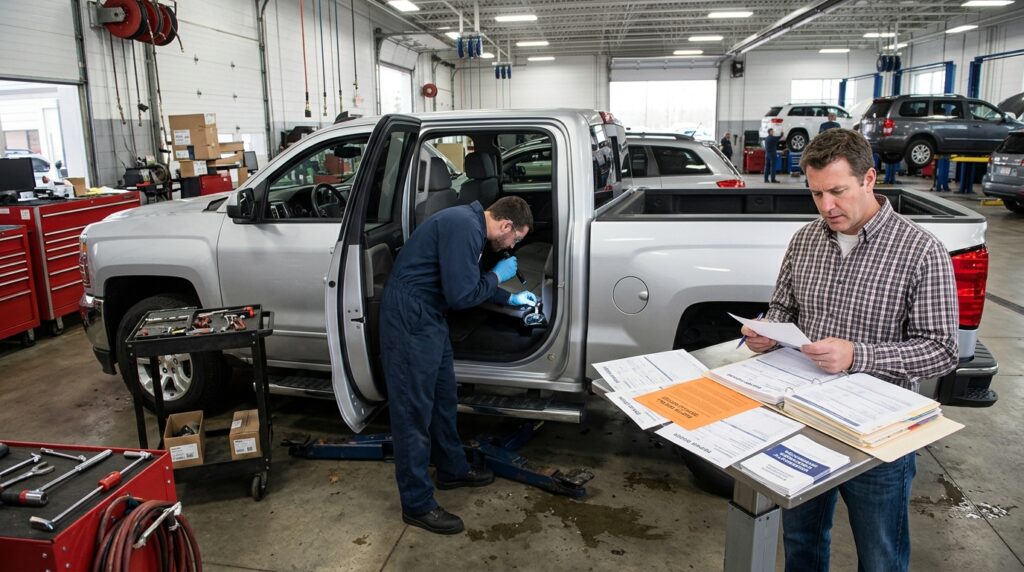
When the dealer performs the inspection, ask for a repair order even if technicians determine that the anchors were already secure.
That document creates a record showing when the recall inspection happened and what the dealer found.
If the dealer repairs an anchor, make sure the final invoice identifies the recall campaign and explains the work performed.
Keep the Recall Notice and Every Repair Record
Documentation becomes especially important if a safety problem continues after recall work.
Keep the recall letter, dealership appointment confirmation, inspection report, repair order, and final invoice. Save text messages and emails with the dealer as well.
If the truck remains at the dealership for several days, record the drop-off and pickup dates.
Long repair delays can become relevant in some lemon law situations. State laws vary, so there is no single nationwide number that applies to every claim.
Our article on repair delays and the lemon law 30-day rule explains why out-of-service time should be tracked carefully.
Owners should also report any related symptoms clearly.
For example, if a seat-belt buckle becomes loose, moves unexpectedly, separates from its mounting point, or shows another physical problem, describe exactly what happened when scheduling service.
Do not settle for a vague repair order if the complaint was specific.
Can the Ram Seat-Belt Recall Lead to a Lemon Law Claim?
A recall does not automatically make a vehicle a lemon.
That point matters with a recall covering more than one million vehicles. A truck may receive the required inspection, have no defective anchor, and never experience another related problem.
Another truck may require a repair and then operate normally afterward.
Lemon law usually becomes a different question when a vehicle has a warranty-covered defect that continues after the manufacturer has had reasonable chances to fix it. State rules can differ based on vehicle age, mileage, warranty status, repair attempts, and time out of service.
Safety can also matter. A defect involving an important restraint system may receive closer attention than a minor cosmetic complaint.
What if the Seat-Belt Problem Continues After Recall Work?
Suppose the dealer completes campaign 67D but the same buckle anchor later becomes loose. The owner should return to the dealer and report the problem again.
The new repair order should say that the issue happened after completion of the recall.
That creates a clearer timeline.
A second or third visit can matter if the problem remains unresolved. The same is true if the dealer says it cannot duplicate or confirm an intermittent problem.
Our guide on proving intermittent vehicle defects when a dealer says “no problem found” explains why even unsuccessful diagnostic visits should be documented.
Owners should avoid assuming that the recall itself guarantees a buyback. Instead, focus on what happened to the specific truck.
Did the truck actually have the defect? Did the dealer repair it? Did the same condition return? How many repair visits occurred? How long was the truck unavailable? Was the vehicle still covered by an applicable warranty?
Those facts are more useful than the recall headline alone.
A Recall Can Support the Repair Timeline Without Proving the Claim
A recall can still provide useful evidence.
It may show that the manufacturer recognized a safety issue affecting a defined group of vehicles. The recall documents can also explain the affected component and the approved repair.
However, a lemon law claim focuses on the owner’s actual vehicle and repair history.
For example, an owner with one successful recall inspection and no continuing problem has a very different situation from someone whose truck returns to the dealer several times for the same safety issue.
Owners should also consider warranty status. Some 2019 Ram 1500 trucks are now several years old, while newer 2025 or 2026 trucks may still be within broader factory warranty periods. Used trucks can present additional questions about remaining manufacturer coverage and state-specific lemon law rules.
If your Ram has repeated safety, electrical, engine, transmission, brake, or restraint problems, our guide to common defects involved in lemon law claims provides additional background.
The practical approach is simple. Check the VIN. Complete the safety recall. Save the records. Then pay attention to what happens afterward.
If the dealer inspects the truck and the issue is resolved, that is the best result.
Ram 1500 recall
If a safety defect continues, the truck spends extended time in the shop, or repeated repair attempts fail, the recall paperwork may become one part of a larger warranty and lemon law record.
The 2026 Ram 1500 recall is significant because of its size, but each owner’s situation remains individual. More than 1.27 million trucks are potentially involved in the campaign, while FCA estimates only a small percentage actually contain the assembly problem.
Do not panic because your truck appears in the recall population. Instead, verify the VIN, follow the manufacturer remedy, and document each step.
Disclaimer: This article provides general educational information only and is not legal advice. Lemon law requirements vary by state and depend on warranty coverage, repair history, vehicle age, mileage, deadlines, and other facts. Consumers with questions about a specific vehicle should consult a qualified attorney or appropriate government agency.