
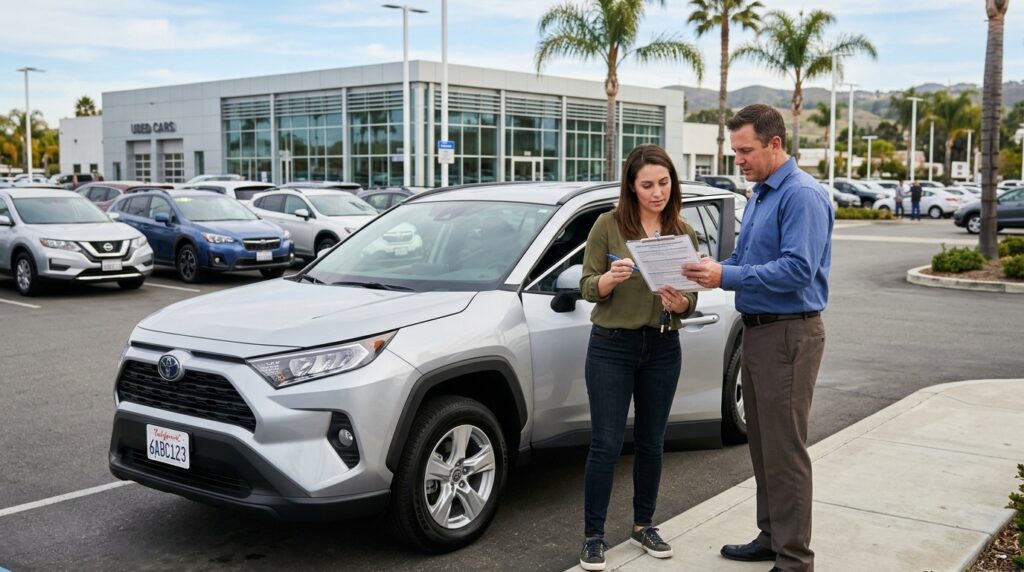
Buying a used car in California is about to change in a major way. Starting October 1, 2026, many buyers and lessees will have a new three-day right to cancel a qualifying used vehicle transaction.
The change comes from California Senate Bill 766, also called the California Combating Auto Retail Scams Act, or CARS Act.
The new rule can give consumers valuable time after signing a contract. However, it is important to understand what the law does and what it does not do.
The three-day cancellation right is not the same as California Lemon Law. You do not have to prove that a qualifying used vehicle is defective before using the cancellation right. Lemon law claims work differently. They usually involve warranty problems, repair attempts, and defects that affect a vehicle’s use, value, or safety.
Understanding the difference can help buyers choose the right option when a newly purchased vehicle develops problems.
For more background on defective used vehicles, read our Used Car Lemon Law in 2026 guide.
How California’s New 3-Day Used Car Return Rule Works
California’s new CARS Act becomes operative on October 1, 2026. One of its most important changes is a three-day right to cancel certain used vehicle purchases and leases.
The rule applies to qualifying used vehicles sold or leased by covered California dealers for $50,000 or less.
The buyer generally does not need to prove fraud, a mechanical defect, or another specific reason for returning the vehicle. The law creates a cancellation period that can be used for any reason, as long as the transaction and vehicle meet the requirements.
That makes the new rule very different from a lemon law claim.
Which Used Vehicles May Qualify for the 3-Day Return?

The basic price limit is $50,000. The vehicle also must meet the law’s definition of a covered used vehicle.
Not every vehicle transaction qualifies. For example, the law excludes motorcycles from its definition of a used vehicle for this purpose. It also excludes certain vehicles with a gross vehicle weight rating of 10,000 pounds or more.
Auction sales also have separate rules. Private-party sales are not the same as purchases from a covered licensed dealer.
Buyers should therefore avoid assuming that every used car purchase can be canceled.
The purchase date also matters. The new CARS Act provisions become operative October 1, 2026. A transaction completed before that date remains subject to the rules that applied at the time.
The 400-Mile Limit Can End Your Cancellation Right
The new law places an important limit on mileage.
A buyer cannot use the three-day cancellation right if the used vehicle has been driven more than 400 miles between signing the agreement and trying to cancel it.
That means someone who thinks they may return the vehicle should watch the odometer carefully.
The cancellation period generally starts on the calendar day after the purchase or lease agreement is signed. It lasts for three calendar days. If the third day falls on a day when the dealership is closed to the public, the period extends until the next day the dealership is open.
The right ends at the close of business on the final applicable day.
Do not wait until the last minute if you already know you want to cancel. Review the dealer’s cancellation disclosure and follow the required process carefully.
Returning the Car May Still Come With a Restocking Fee
The three-day right does not always mean the return is completely free.
California allows dealers to charge a restocking fee when a buyer or lessee exercises the cancellation right.
The basic fee is 1.5% of the vehicle’s sale price. However, the law sets a minimum of $200 and a maximum of $600.
Mileage can add another cost. If the vehicle has been driven more than 250 miles, the dealer may charge $1 for each additional mile over 250. That mileage charge cannot exceed $150.
Remember that driving more than 400 miles can remove the cancellation right entirely.
The vehicle also generally needs to return in the same condition in which the dealer delivered it. Reasonable wear and tear is allowed. A mechanical problem that appears after delivery and was not caused by the buyer does not automatically count as buyer-caused damage.
The California Legislature’s official SB 766 bill text provides the complete requirements and exceptions.
The New Law Also Changes Dealer Disclosures and Pricing
The three-day cancellation right has received much of the attention, but SB 766 goes further.
The CARS Act also targets misleading pricing and unwanted add-ons.
For example, dealers must follow new rules when advertising or communicating the total price of a specific vehicle. The law also requires certain written disclosures about add-on products and financing terms.
Dealers cannot charge consumers for some products or services that provide no real benefit. The law even gives specific examples.
One example involves charging for an oil-change product on an electric vehicle. Another involves products that do not actually provide coverage for the vehicle or consumer.
These rules can help buyers understand the true cost before signing.
Dealer records also become important. Covered dealers must keep certain documents for two years. Those records can include contracts, advertisements, communications, cancellation requests, refunds, and written consumer complaints.
Keep Every Document the Dealer Gives You
Consumers should still create their own records.
Save the purchase contract and financing paperwork. Keep the Buyers Guide, warranty documents, advertisements, text messages, emails, and any written promises made by the dealer.
If you return the car, keep proof showing when you exercised the cancellation right. Save the mileage, return receipt, refund records, and any documents concerning a trade-in.
This habit is also useful when defects appear later.
Our guide to filing a lemon law claim explains why repair orders, warranty records, and written communications can become important in a vehicle defect dispute.
Why the 3-Day Return Rule Is Not the Same as Lemon Law
The easiest way to understand the new rule is to separate buyer cancellation rights from warranty rights.
The three-day rule gives a qualifying buyer a short window to reverse the transaction. The buyer does not need months of repair records before acting.
Lemon law deals with another problem. It focuses on vehicles with warranty defects that the manufacturer or dealer cannot repair after a reasonable opportunity to do so.
A car could qualify for the three-day cancellation right even if nothing is mechanically wrong with it.
The opposite can also happen. A vehicle might develop serious defects after the three-day period ends. The buyer may no longer have the short cancellation option, but warranty or lemon law rights could still exist depending on the circumstances.
What Happens if You Discover a Defect After Three Days?
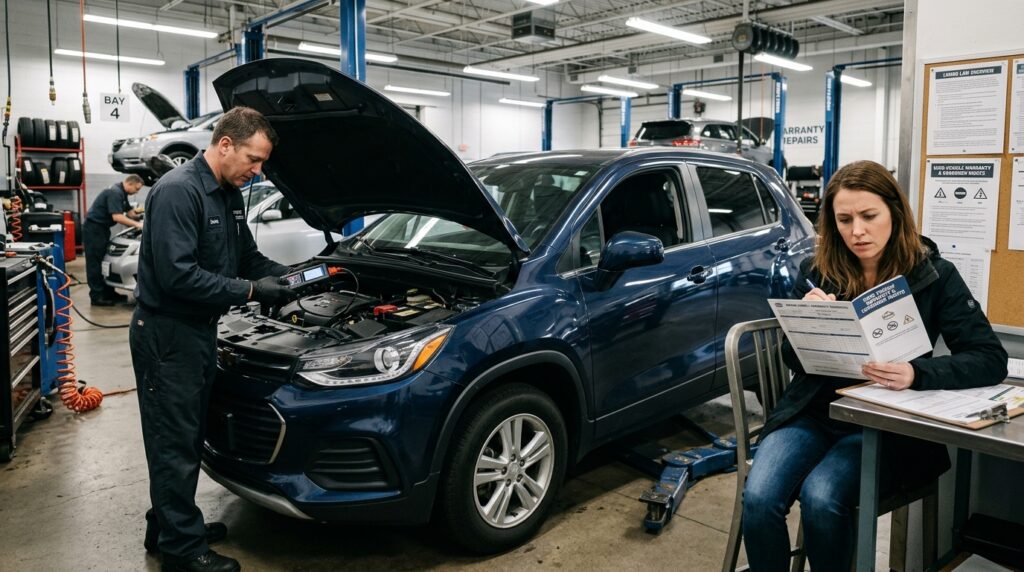
Imagine buying a qualifying used vehicle and noticing a transmission problem on the first day. If the transaction falls within the new law, returning the vehicle during the cancellation period may be one option.
Now imagine the transmission problem does not appear until two weeks later.
The three-day cancellation period has likely passed. That does not automatically mean the buyer has no rights.
Start by checking the warranty documents.
Was the vehicle sold with a written dealer warranty? Is it a certified pre-owned vehicle with added coverage? Did the manufacturer issue a warranty with the sale? Is there a service contract that covers the failed system?
California law can treat used vehicles differently depending on how and when warranty coverage was issued. Other states have their own rules.
This is why buyers should not describe every bad used car as a lemon without checking the exact warranty and repair history.
If the vehicle has a history of manufacturer repurchase or recurring defects, our guide to lemon law buyback titles explains what buyers should review.
Repair Orders Matter Once a Warranty Dispute Begins
If you decide to keep the vehicle and pursue warranty repairs, documentation becomes critical.
Ask the repair facility to describe your complaint clearly. Avoid vague wording when possible.
For example, a repair order that says “customer states transmission hesitates and vehicle loses acceleration when entering highway” provides more detail than “check transmission.”
Keep the final invoice even when the dealer says it could not duplicate the problem.
Record each repair date and the mileage. Track how many days the car remains in the shop. Save videos or photos of warning messages when it is safe to do so.
If the same defect returns, bring the vehicle back and make sure the new repair order identifies the recurring problem.
The key difference is timing. The three-day return right gives qualifying California buyers a fast decision window. Lemon law claims usually develop through warranty defects and repair history.
Neither rule should be confused with a dealership’s voluntary return policy. A dealer may offer terms that provide more protection than state law, but consumers should get those promises in writing.
California’s new CARS Act gives used-car buyers an important new tool starting October 1, 2026. For qualifying purchases and leases at $50,000 or less, buyers may have three days to cancel without proving that the car is defective.
Still, the details matter. The 400-mile limit, return deadline, vehicle condition, restocking fee, and transaction type can affect whether the right applies.
The new law also does not replace lemon law. If a defect appears after the cancellation period or continues after warranty repairs, different consumer protections may become relevant.
The safest approach is simple: read every document, check the warranty, monitor the mileage, inspect the vehicle quickly, and keep complete records from the first day of ownership.
Disclaimer: This article provides general educational information and is not legal advice. California consumer and lemon law rights depend on the specific transaction, vehicle, warranty, manufacturer, repair history, and other facts. Laws can also change. Consumers with questions about a specific dispute should consult a qualified attorney or appropriate government agency.