

Leased car lemon law rights deserve attention whenever a new vehicle spends repeated days in the service department. Some drivers assume that because they lease rather than own the car, they cannot challenge serious warranty defects. That assumption can be wrong, but there is no single nationwide answer. Coverage depends on the state, the manufacturer’s warranty, the lease contract, the type of vehicle and when the defect was first reported. As 2026 comes to an end, drivers planning a 2027 replacement should review their repair history before signing another contract. This guide explains the records to gather, the questions to ask and the mistakes that may complicate a dispute.
Understand the Difference Between a Lease and a Warranty Claim
A lease controls the financial relationship among a driver, leasing company and sometimes a dealer. A warranty describes the manufacturer’s promises about covered repairs. Lemon laws, where applicable, create possible remedies when qualifying defects are not fixed within a legally significant period or number of opportunities. These are separate layers. A person may have the right to a warranty repair but not satisfy a particular state’s lemon law presumption. Another leaseholder may have a qualifying statutory claim even though the vehicle is not titled in their name. Read the contract, warranty booklet and the governing state’s current statute together; do not rely on a generalized chart.
What Counts as a Significant Problem?
A cosmetic annoyance is not automatically equivalent to unsafe brakes or recurring loss of power. States often evaluate whether a warranty nonconformity substantially affects use, value or safety, but statutory language differs. Describe the actual problem rather than simply calling the car a lemon. Did it fail to start on multiple mornings? Did a camera blackout recur after updates? Was a critical warning accompanied by reduced performance? Preserve the dates, mileage and impact on normal use. Our guide to intermittent defects reported as no problem found can help explain why accurate repair descriptions matter.
Keep Your Lease and Repair Records Together
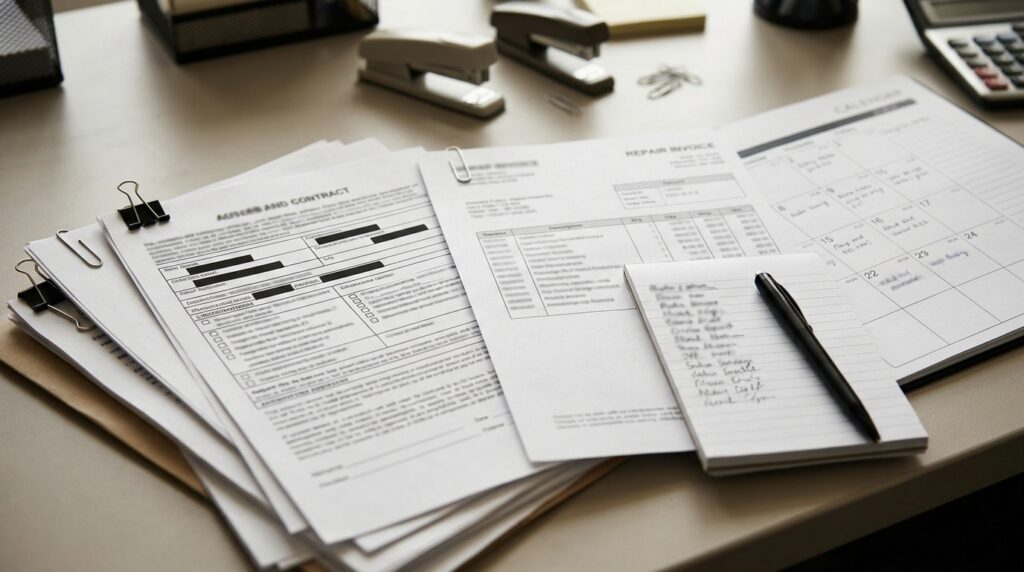
Store a signed copy of the lease, warranty terms, monthly statements, service appointments, repair orders, dealer communications and receipts for related expenses. Create a timeline that lists when each defect appeared, when the vehicle entered service and when it was returned. Keep copies even if the dealership charged nothing for a warranty visit. If you received a loaner car, retain that paperwork as well. Separate confirmed costs from estimates, because not every expense is reimbursable. The purpose is to preserve evidence that a lawyer or consumer agency can review without reconstructing six months of events from memory.
Do Not Stop Payments Based on a Complaint Alone
A serious defect can make regular lease payments feel unfair, especially while the vehicle is unusable. However, withholding payments without a lawful basis or professional advice may cause contract default, credit consequences or repossession risk. Continue following the contract while you seek jurisdiction-specific guidance. If financial hardship arises, contact the leasing company and ask what temporary assistance is available in writing. Never assume that a pending manufacturer complaint suspends your obligation automatically. Also avoid surrendering the vehicle or signing a release until you understand whether doing so could affect a statutory remedy or ongoing claim.
Understand Who Handles the Remedy
The dealer usually performs warranty work, but the manufacturer is often the party responsible for a statutory refund or replacement under applicable law. The leasing company has a financial interest that may need to be resolved in any repurchase. This can make the paperwork more complicated than a straightforward cash purchase. Ask whether the proposed settlement pays the lessor, reimburses the lessee for eligible amounts, handles remaining obligations or requires closing the lease separately. Never compare an advertised buyback amount with your bank balance without reading the itemized terms. The correct calculation is state- and transaction-specific.
Ask for an Itemized Settlement Explanation
If a manufacturer offers money or a replacement, request a written breakdown. Identify payments, deposits, taxes, fees, mileage or use deductions, outstanding obligations and any requested release of claims. Some legal regimes define which deductions are permitted, and others use different calculations. Ask how the existing vehicle will be returned and whether you must sign a new agreement for a replacement. Consider getting independent legal advice before accepting an offer described as final. A large headline refund figure may be misleading if it leaves unresolved lease payments, fees or other obligations.
Track Notices and Deadlines Early
A state may require notice to the manufacturer, use of an authorized dispute program or action within a particular limitations period. Recent California reforms demonstrate why generic summaries can be risky: procedures can depend on the manufacturer and the date or type of claim. Review our California lemon law notice guide as background, then verify the current law and your specific situation. When in doubt, send an organized, truthful account through the approved channel and preserve proof that it was received. Avoid waiting until the lease ends before asking about deadlines.
Build a Practical 2027 Decision Checklist

Before trading in the car, ending a lease early or accepting a manufacturer offer, collect the documents and determine which state law applies. Identify the date of first delivery, first qualifying complaint, warranty coverage and total days unavailable. Ask whether the same condition returned after an attempted repair. Review the FTC’s financing and leasing guidance for useful explanations of contract obligations, insurance and end-of-lease considerations. That federal consumer guide does not itself decide a lemon law claim. Its value is helping you distinguish a financing problem from a vehicle-defect dispute.
Know When Professional Review Is Worthwhile
Consider a qualified consumer warranty attorney or state consumer-protection agency if repairs repeat, the manufacturer denies coverage, or the vehicle has been unusable for a significant period. Ask prospective counsel about the relevant state’s law, attorney fees, time limits and whether a dispute programme affects filing options. Bring your documents rather than relying on broad claims such as “everyone gets a buyback after three repairs.” A good review should identify facts that support the case as well as weaknesses. It should also explain possible alternatives, including continued warranty repair, negotiated resolution or other consumer remedies.
One useful exercise is to write a factual one-page case summary with five fields: vehicle identification, date and mileage at delivery, first reported defect, repair-visit timeline, and the relief you are requesting. Add supporting documents in chronological order and keep a copy of everything submitted. This is not a legal claim form and will not satisfy every notice requirement, but it can make discussions with the manufacturer, consumer agency or lawyer more efficient. Avoid adding estimates as if they were verified facts.
Frequently asked questions
Does leasing automatically exclude lemon law coverage? No. Some states protect qualifying leased vehicles, but definitions and procedures vary. Review the law governing your lease and defect.
Will the dealership refund all my payments? Not necessarily. Manufacturer duties, leasing-company interests and permitted deductions depend on local law and settlement terms.
Can I return a leased vehicle immediately? Do not assume you may return it without consequences. Review your contract and obtain legal advice before surrendering or stopping payments.
Does a free warranty repair eliminate the claim? Not automatically. What matters may include the severity and recurrence of the defect, covered periods and statutory conditions.
Leased car lemon law rights are real questions, not automatic guarantees. The sensible next step is to preserve records, understand your state-specific rules and obtain an itemized explanation before changing your financial obligations. A careful timeline is useful whether you ultimately pursue a statutory remedy, resolve the issue under warranty or decide that another path makes more sense.
General educational information, not legal advice. Coverage, rights and deadlines depend on the state, vehicle, transaction and warranty.