
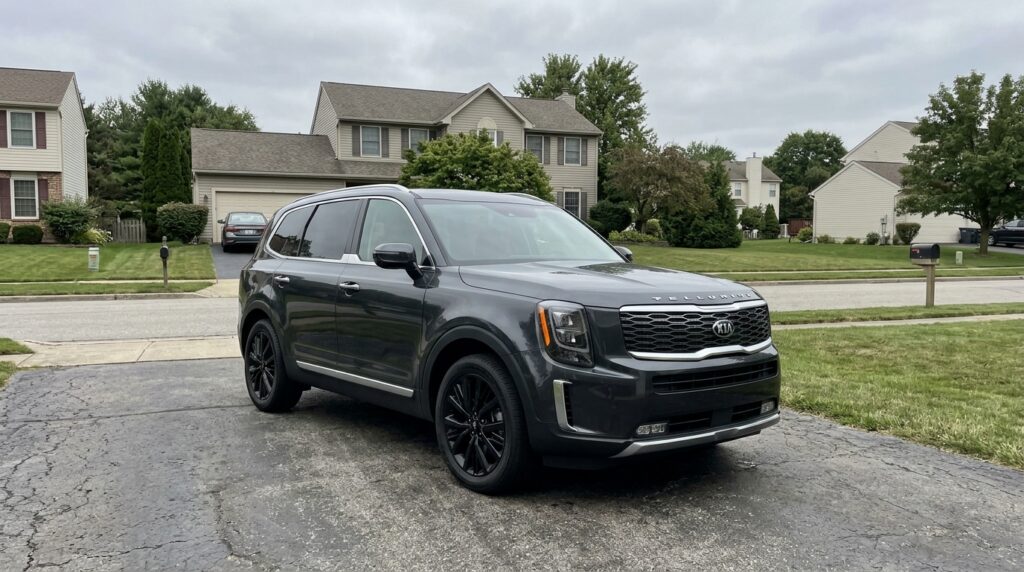
A safety recall becomes especially unsettling when owners learn their vehicles were already recalled for the same underlying danger. That is the situation facing certain Kia Telluride drivers in 2026. The National Highway Traffic Safety Administration (NHTSA) announced a new “park outside” warning involving a front power-seat motor that can overheat. For affected owners, the urgent question is how to reduce the fire risk. A second question follows: what happens when an earlier recall repair was not enough?
The Kia Telluride fire recall 2026 concerns certain 2020–2024 Telluride SUVs. According to NHTSA’s July 9, 2026 alert, 462,869 vehicles are involved. The agency says vehicles included in the new campaign were previously recalled in 2024 for the same general seat-switch issue. Owners should not assume a repair performed under the earlier campaign finishes the new one. A VIN-specific check is essential.
This guide separates the immediate safety steps from potential lemon law questions. A recall is not itself a finding that every affected Telluride is a lemon. State warranty statutes usually look at an individual vehicle’s defects, repair history, time out of service, and other requirements. Understanding that distinction helps owners make safer decisions and keep records that may matter later.
What the 2026 Kia Telluride Fire Recall Requires
NHTSA explains that the front power-seat slide cover or adjustment knob can be struck or damaged. That may cause a switch to become dislodged or misaligned, potentially allowing the seat motor to operate continuously. Excessive heat can then create a fire hazard, including while the SUV is parked. The agency also reports that problems with an earlier repair may leave the risk unresolved. This is a safety issue, not merely an inconvenience with seat positioning.
Which Telluride Owners Should Check Their Vehicles?
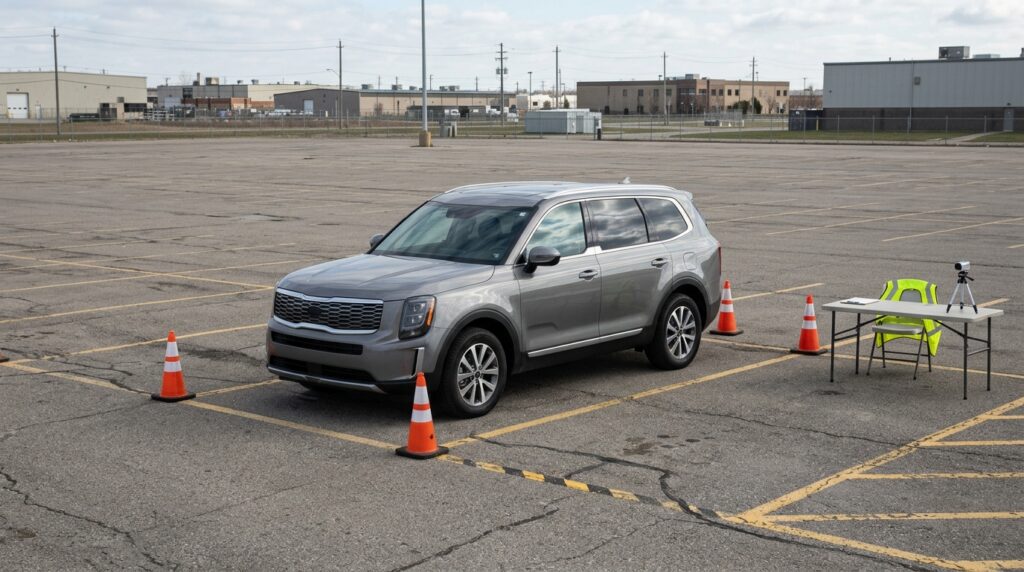
The recall covers certain model-year 2020, 2021, 2022, 2023, and 2024 Kia Tellurides. That does not mean every vehicle from those model years has an open recall. The relevant identification number, manufacturing information, and campaign status determine whether a particular SUV is included. Search your 17-character VIN using the official NHTSA recall lookup, then contact Kia or an authorized dealer for instructions.
Do not rely only on a letter received in 2024 or a dealership’s previous reassurance. The new campaign follows the earlier repair effort and requires a new remedy for affected vehicles. NHTSA’s July 2026 consumer alert says Kia planned an electronic fuse assembly to prevent continuous motor operation if the switch becomes damaged. Ask the dealer to identify the current campaign and document the work actually completed.
Follow the “Park Outside” Warning
For vehicles subject to this warning, NHTSA instructs owners to park outdoors, away from buildings and other vehicles, until the new recall remedy is completed. That instruction matters even if the SUV appears normal and the seat adjusts correctly. Do not wait for smoke, odor, or a failed seat switch before taking a safety warning seriously. If you notice overheating or another immediate hazard, move away from the vehicle and contact emergency services when appropriate.
Keep a copy of the recall alert and make arrangements for service. Ask the manufacturer or dealer about transportation options, but do not assume a loaner or rental is guaranteed; those arrangements depend on the applicable policy, warranty, and law.
Keep Records of the 2024 and 2026 Campaigns
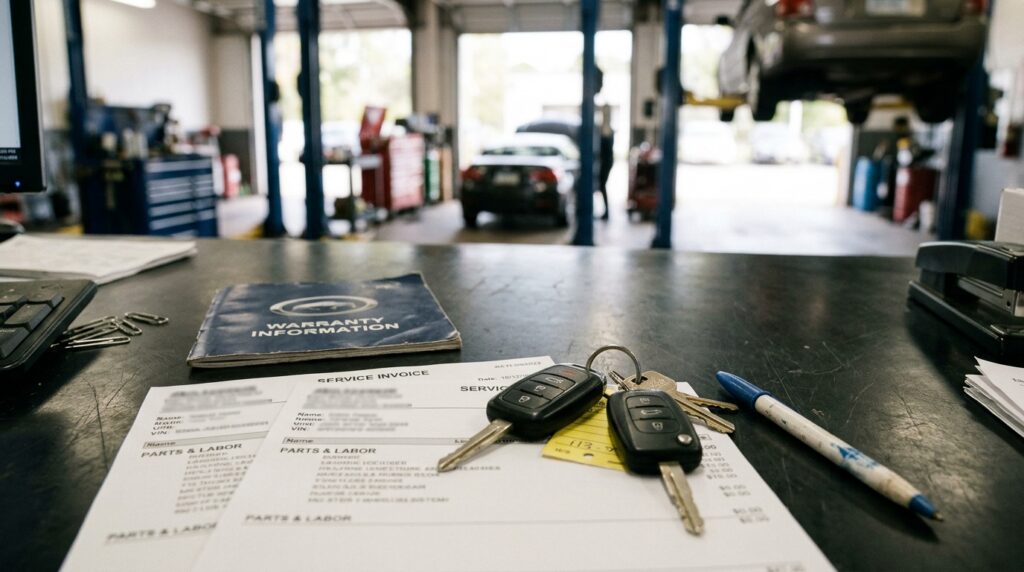
Owners who completed the older recall should find the previous repair invoice. The invoice may identify the earlier campaign number, parts installed, date, mileage, and service location. Save the new recall notification separately. When the vehicle returns for the 2026 remedy, ask for a written repair order even if the service is free. These documents can show what the manufacturer tried, when it tried it, and whether the same concern returned.
A useful folder contains the purchase or lease agreement, original warranty, VIN, repair orders, towing invoices, photos of any warning, and notes of communications with Kia. Record factual details rather than estimating time in the shop. Exact dates are easier to verify later.
What the Free Repair Does—and Does Not—Prove
Federal safety recalls and lemon law claims serve different purposes. A recall addresses an identified safety problem across a defined vehicle population. Its remedy may involve a part replacement, software update, inspection, or another manufacturer-approved action. The owner generally receives the recall remedy without paying for the covered recall work. A lemon law claim, by contrast, examines whether the manufacturer failed to repair a qualifying defect in a particular vehicle under applicable state law.
One completed, effective recall repair may resolve an owner’s concern. A new recall does not automatically create a right to a refund, nor does it mean every included SUV is defective in practice. However, recurring seat-motor overheating, repeated unsuccessful repairs, extended periods out of service, or documented safety symptoms may require closer warranty review. The relevant standards depend on where the vehicle was purchased or leased, its coverage, and the repair timeline.
Our related article on recalls versus lemon law claims explains why a free manufacturer fix and a vehicle-specific consumer remedy are not interchangeable.
When a Repeat Recall May Raise Lemon Law Questions
Consider two owners. One receives the new notice, follows the parking guidance, and has the updated remedy installed without additional trouble. Another has multiple documented incidents involving a malfunctioning seat switch, returns to the dealer several times, and continues to experience problems after the latest repair. Their situations may look similar on a recall database but very different in a legal analysis. That difference is why individual repair records matter.
Document Recurring Defects Instead of Assuming Eligibility
If a symptom continues after the repair, report it to an authorized service department promptly and ask that the service writer describe it precisely. A note stating “seat motor keeps running after adjustment” is more useful than a generic entry saying “interior issue.” Preserve dates, mileage, the conditions surrounding the problem, and the dealer’s response. Do not repeatedly operate a suspected overheating component to capture video; safety comes first.
If the dealership says the concern cannot be reproduced, request the written findings. Our guide to intermittent defects and ‘no problem found’ repair orders discusses how to keep an accurate record without exaggeration. If a danger persists, explain the situation to the manufacturer and seek appropriate safety guidance instead of accepting an unsupported promise that everything is fine.
Check State-Specific Warranty Rules
Most state lemon laws require a covered warranty defect and a qualifying repair history, but they are not identical. Some include presumptions based on unsuccessful attempts or cumulative time out of service; coverage periods and procedures vary. A recall can provide useful evidence that a safety issue exists, but it does not substitute for proving that your vehicle meets the applicable legal test. In California, for example, manufacturer-specific procedures may also affect notice and claim handling.
Readers who purchased or leased in California can review our 2026 California notice-rules article if that URL is available, alongside the official Department of Consumer Affairs explanation. The appropriate rules should be checked before filing or sending a formal demand.
Take These Steps After the Dealer Visit
First, obtain the completed repair order and confirm the campaign performed. Second, save any manufacturer correspondence and track whether the same safety concern returns. Third, check whether additional recalls remain open for your VIN. Fourth, if there are ongoing problems, ask for a written explanation of the next diagnostic or repair step. Fifth, consult a qualified consumer-warranty attorney or state consumer agency before deciding whether a buyback request is appropriate.
Also distinguish a pending recall appointment from an unsuccessful repair attempt. Waiting for service, receiving a notification, and having a part installed are different events that may be treated differently under state law. Keep the facts in chronological order, including days when you were told not to use the vehicle. A lawyer can determine which events count for a particular claim rather than relying on a universal “three repairs” or “30 days” slogan.
The practical lesson is straightforward: respond to the 2026 Kia Telluride fire recall as a safety instruction first, and treat any persistent defect as a separate, documented warranty question. Check the VIN, follow the parking warning, obtain the free remedy, and keep accurate paperwork. Whether those facts support lemon law relief depends on the individual vehicle and applicable state rules—not the recall headline alone.
Legal information only. This article does not create an attorney-client relationship or predict any individual claim outcome. Recall details and available remedies should be confirmed with NHTSA and the manufacturer.