
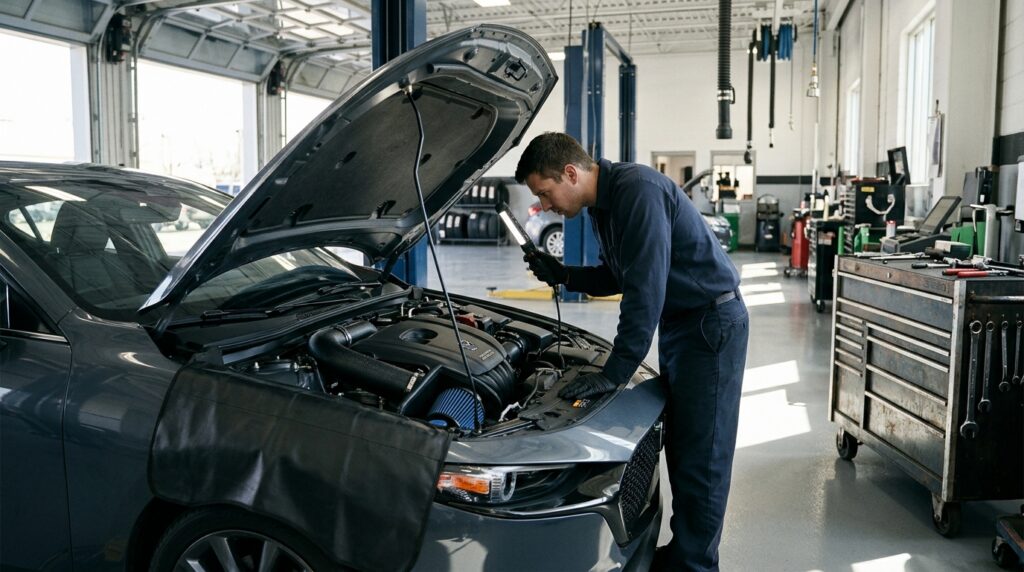
The short answer is that installing an aftermarket part does not automatically void an entire manufacturer’s warranty. Federal consumer warranty law generally prevents companies from denying coverage solely because a vehicle owner used a replacement component made by another company.
However, a manufacturer may have grounds to deny coverage for damage actually caused by an unsuitable part, defective installation, or certain modifications.
That distinction becomes especially important when a vehicle develops recurring problems that may support a lemon law claim.
This guide explains what federal warranty protections say, how manufacturers evaluate modifications, and what owners can do after a disputed repair.
Aftermarket Parts and Car Warranty Rights Under Federal Law
Many vehicle owners believe they must use only manufacturer-branded parts to preserve factory warranty coverage.
Others assume visiting an independent repair shop immediately cancels the warranty.
Neither assumption accurately describes the general federal rule.
How the Magnuson-Moss Warranty Act Protects Consumers
The Magnuson-Moss Warranty Act is a federal law governing written warranties on consumer products, including vehicles.
It restricts certain requirements that would force owners to purchase specific branded products or services merely to maintain warranty protection.
Using Independent Mechanics and Replacement Components
According to the Federal Trade Commission, vehicle owners generally do not have to visit a dealership for ordinary maintenance or repairs to keep factory warranty coverage.
Drivers may choose an independent mechanic for services such as oil changes, brake maintenance, and tire work.
They may also use aftermarket or recycled replacement parts.
However, the FTC recognizes limited exceptions involving parts or services supplied without charge under the warranty and situations covered by an FTC waiver.
For example, when a manufacturer provides a covered warranty repair for free, it may specify the repair facility or parts used for that free service.
That is different from requiring every owner to purchase routine maintenance from an authorized dealer.
A consumer paying for ordinary maintenance may have greater flexibility.
The FTC’s auto warranty guide explains these protections.
Vehicle owners should also review their specific warranty booklet before selecting replacement components.
When an Aftermarket Part Can Lead to a Valid Denial
Federal protection does not require manufacturers to cover damage caused by improperly installed or defective aftermarket equipment.
Suppose a replacement component damages an otherwise covered engine system.
If the manufacturer can establish that the component caused the problem, a denial involving that damage may be justified.
However, the presence of an aftermarket component is not enough by itself to prove causation.
For instance, aftermarket wheels would not ordinarily explain an unrelated factory infotainment defect.
Likewise, an independent oil change does not automatically explain a recurring electrical malfunction.
The manufacturer must have a legitimate connection between the alleged cause and the warranty claim.
According to the FTC, the manufacturer or dealer must demonstrate that an aftermarket or recycled part caused damage before denying coverage on that basis.
Consumers should request a clear explanation rather than accepting a general statement that the car is modified.
A specific technical finding is more informative than a blanket refusal.
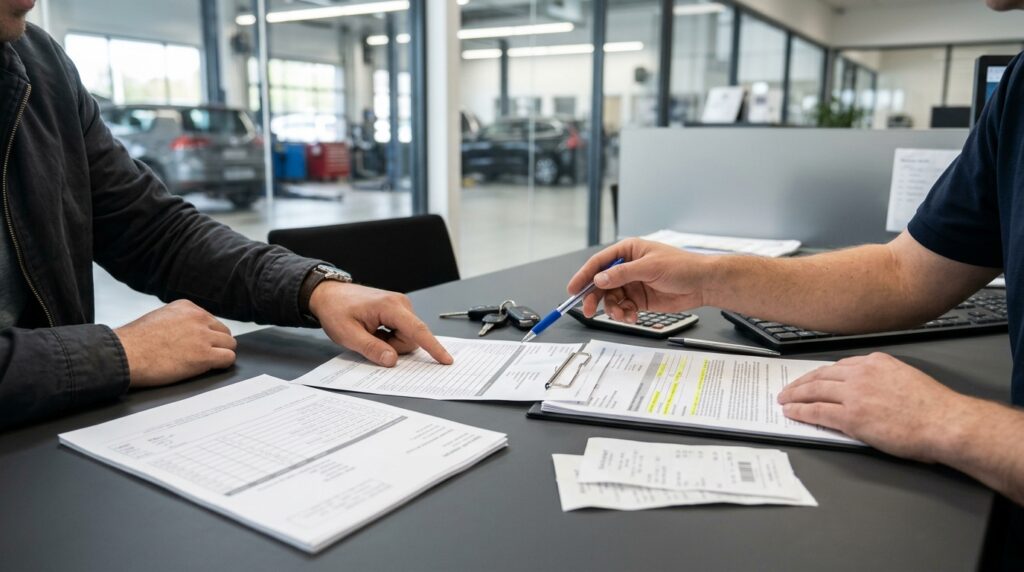
Common Modifications That May Create Warranty Disputes
Not every vehicle modification presents the same risk.
Some changes involve appearance, while others affect engine operation, emissions, electrical systems, or suspension geometry.
Performance Tuning, Suspension Changes, and Electronics
Engine tuning and performance modifications can change how vehicle components operate.
For example, a modification that increases engine output may affect related powertrain components.
However, whether a specific engine failure was caused by the modification requires factual analysis.
A manufacturer should not simply assume every future failure arose from the change.
Suspension modifications may also create disputes when a component fails or wears prematurely.
Likewise, electrical accessories can become relevant if faulty wiring causes damage.
Owners should preserve invoices, installation records, and the specifications of any added equipment.
These materials may help determine whether the modification is related to the defect.
Emissions equipment raises additional legal and regulatory concerns.
A modification may violate emissions requirements even when a separate warranty question remains unresolved.
Therefore, owners should investigate both product compatibility and applicable legal restrictions.
Why Regular Maintenance Records Still Matter
Manufacturers may investigate whether the vehicle received required maintenance.
Owners should retain receipts for oil changes, fluid services, inspections, and other routine work.
Maintenance records can establish when and where work occurred.
They may also help demonstrate that an owner followed the recommended schedule.
However, a receipt does not guarantee that the service was performed correctly.
If a particular maintenance procedure caused damage, the facts may affect coverage.
Similarly, ignoring required maintenance can complicate a dispute involving related mechanical components.
Keep records in a digital folder organized by date and mileage.
That simple habit can make a future warranty investigation much easier.
What to Do When a Manufacturer Denies Warranty Coverage
A warranty denial should not be treated as the final answer without understanding the manufacturer’s reasoning.
Owners can request details, preserve evidence, and seek further review.
Disputing a Denial and Protecting Potential Lemon Law Rights
The first step is to identify the exact defect and the stated reason for refusing repair coverage.
Next, gather the documents needed to evaluate the decision.
Request the denial in writing.
Ask the dealer or manufacturer to identify the specific modification or maintenance issue allegedly responsible for the damage.
Request any available diagnostic findings that support the conclusion.
Keep copies of emails, service reports, photographs, and written estimates.
A written explanation can help identify whether the dispute concerns an excluded component or a broader warranty interpretation.
Ask how the modification caused the defect.
A useful question is whether the manufacturer has identified a technical relationship between the aftermarket component and the failure.
For example, a transmission problem and a decorative exterior accessory may be unrelated.
However, a performance tune that changes drivetrain operation could require closer examination.
The key issue is evidence rather than assumptions.
Contact the manufacturer’s customer assistance department.
If the dealership cannot resolve the matter, request a review through the manufacturer’s official customer service process.
Give the manufacturer an accurate description of the problem and prior repairs.
Maintain a record of each communication.
Do not exaggerate the issue or conceal relevant modifications.
Incomplete information can make later disputes more difficult.
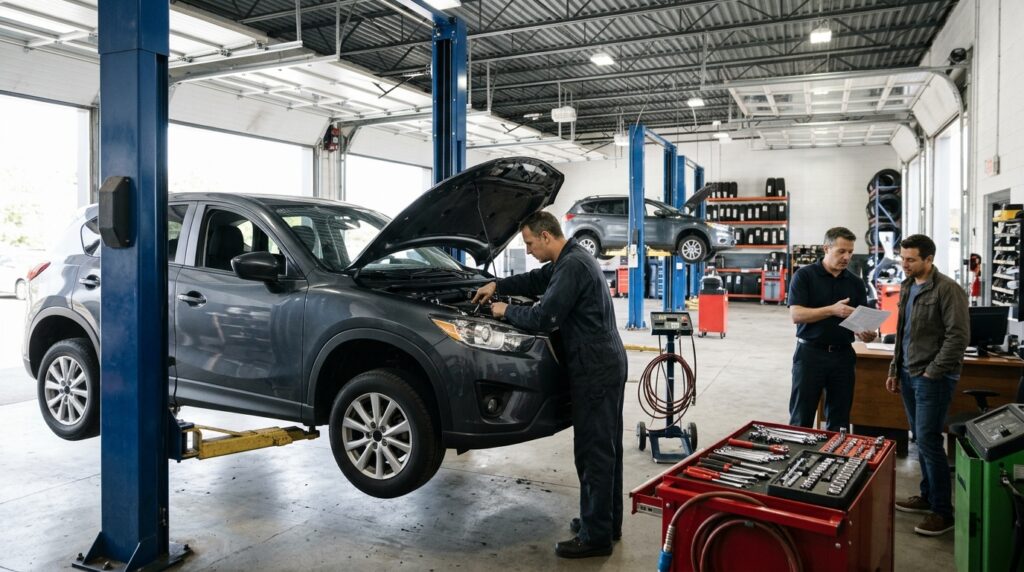
Consider an independent technical evaluation.
When the dispute turns on causation, a qualified independent automotive expert may help evaluate the manufacturer’s explanation.
However, expert inspections may involve fees.
Before authorizing extensive dismantling or repairs, consider how the work could affect evidence and warranty rights.
An attorney may recommend preserving the original parts or obtaining photographs first.
How modifications affect lemon law claims.
State lemon laws generally focus on qualifying warranty defects that remain unresolved after reasonable repair opportunities.
A legitimate exclusion for damage caused by a modification may affect whether a particular defect qualifies.
However, installing an unrelated aftermarket part does not automatically defeat every possible lemon law claim.
For California consumers, the Song-Beverly Consumer Warranty Act and related procedures may apply, depending on the vehicle and manufacturer.
The state’s newer AB 1755 and SB 26 procedures also depend on whether the manufacturer elected to participate.
Read our lemon law legal updates for related warranty and procedural information.
Owners should obtain state-specific advice because eligibility and deadlines vary.
Check whether an extended service contract is involved.
A separately purchased vehicle service contract may have different terms from a manufacturer’s original warranty.
The FTC explains that these agreements are generally not identical to warranties included with a vehicle purchase.
Coverage may depend on the contract’s exclusions, claims procedure, and administrator.
Owners should identify which organization actually denied the claim before deciding how to respond.
A dispute with a service contract administrator may follow different rules from a manufacturer warranty dispute.
File an appropriate consumer complaint.
The FTC advises consumers who believe a warranty was unfairly denied to contact relevant consumer protection agencies.
Possible options include a state attorney general’s office or the FTC.
However, filing a complaint does not automatically stop a legal filing deadline or guarantee reimbursement.
When significant financial losses are involved, legal advice may be appropriate.
Frequently asked questions
Does an aftermarket air filter void my warranty?
Not automatically. The manufacturer must have a legitimate basis to connect a part or its installation with the claimed damage.
Can I change my oil at an independent shop?
Generally, yes. Independent routine maintenance alone does not cancel a factory warranty.
Can a manufacturer deny a repair caused by a modification?
Yes. Coverage may be denied for damage demonstrably caused by defective or improperly installed equipment.
Does Magnuson-Moss guarantee a lemon law buyback?
No. Federal warranty claims and state lemon law repurchase requirements involve different legal tests.
Final thoughts
Aftermarket parts do not automatically void a car warranty, but their effect on a particular defect matters.
Drivers should keep maintenance records, request written denial explanations, and distinguish unrelated modifications from demonstrated causes of damage.
When recurring warranty problems remain unresolved, review the applicable lemon law before important deadlines pass.
Legal disclaimer: This article provides general U.S. consumer information, not legal advice about an individual warranty dispute.