
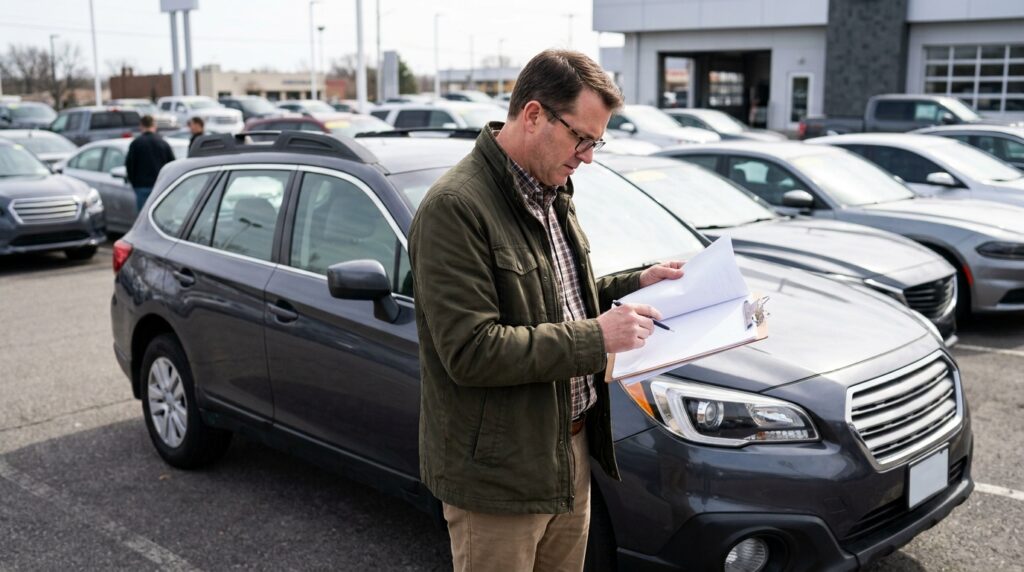
Used car lemon law claims can be more complicated than new car claims. A new vehicle usually comes with a clear manufacturer warranty, a clean ownership history, and a more direct repair timeline. A used vehicle may have prior repairs, expired warranties, unknown defects, open recalls, aftermarket parts, or a dealer warranty with limited coverage. That does not mean a used car buyer has no rights. It means the buyer needs to check the details carefully before filing a claim.
In 2026, used car buyers are paying more attention to warranty coverage, safety recalls, software problems, electrical defects, and repair delays. Modern vehicles are more complex than ever, and used vehicles can carry hidden problems from previous owners. A defect that looks small during a test drive can become a major issue after purchase, especially if the same problem keeps returning after repair attempts.
A used car may qualify for lemon law protection in some situations, but the answer depends on state law, warranty coverage, vehicle age, mileage, repair history, and how seriously the defect affects the vehicle’s use, value, or safety. This article explains what used car buyers should check before filing a lemon law claim. This is general information only and should not be treated as legal advice.
Why Used Car Lemon Law Claims Are Different
The biggest difference between a new car claim and a used car claim is warranty status. Lemon law claims often depend on whether the defect happened during an active warranty period. For a used vehicle, that warranty may be a remaining manufacturer warranty, certified pre-owned warranty, dealer warranty, service contract, or another written warranty. If the vehicle was sold “as is,” the claim may be harder, depending on state law and the facts.
This is why used car buyers should never rely only on verbal promises. A salesperson may say the vehicle is “covered,” “certified,” or “fully inspected,” but what matters is the written paperwork. The purchase contract, Buyers Guide, warranty booklet, certified pre-owned documents, and repair orders are the records that matter when a claim is reviewed.
Warranty Coverage Is the First Thing to Check
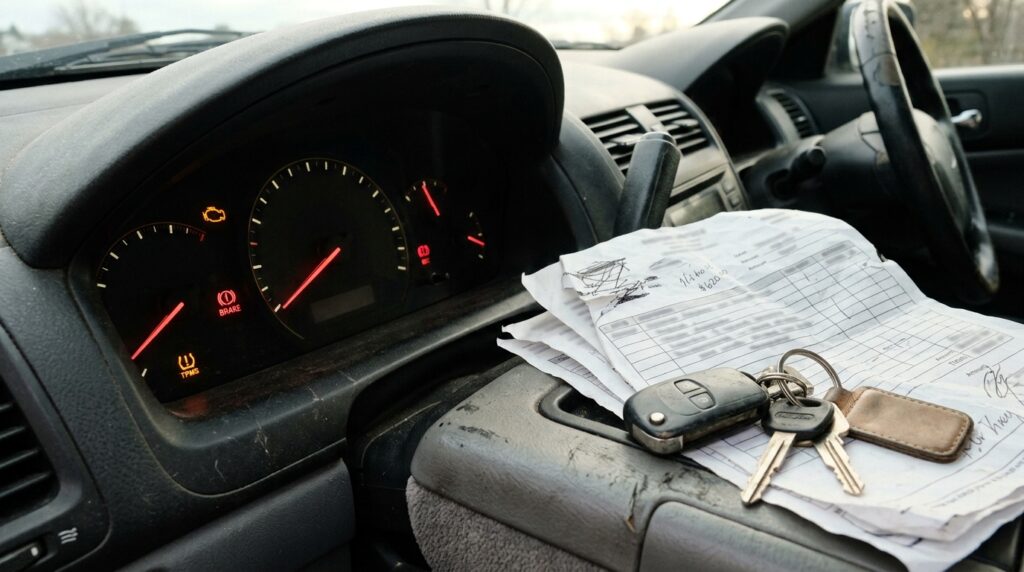
Before filing a used car lemon law claim, start with the warranty. Ask these questions: Was the vehicle still under the original manufacturer warranty when the defect appeared? Did the dealer provide a written warranty? Was it sold as certified pre-owned? Did you buy a service contract? What parts and systems are covered? What exclusions apply? How long does the warranty last by time and mileage?
The Federal Trade Commission requires used car dealers to display a Buyers Guide, which tells buyers whether the vehicle is being sold with a warranty or “as is.” That document is important because it can show what the dealer represented at the time of sale. If the Buyers Guide says a warranty applies, keep a copy with your purchase documents.
“As Is” Sales Can Make Claims Harder
An “as is” sale generally means the dealer is not providing a warranty, although state rules can vary. This can make a lemon law claim more difficult because many lemon laws focus on warranty repair obligations. However, “as is” does not always protect a seller from every possible issue. Fraud, misrepresentation, undisclosed damage, title problems, or other consumer protection issues may still matter depending on the state and facts.
If you bought a used car “as is” and it failed shortly after purchase, do not assume you have no options. Review all documents carefully. Look for written promises, inspection claims, certified status, dealer repair commitments, or manufacturer warranty coverage that may still apply. The exact wording can make a major difference.
Certified Pre-Owned Does Not Mean Problem-Free
Certified pre-owned vehicles are often marketed as safer choices because they usually go through inspections and may include extended warranty coverage. But certified does not mean perfect. A certified used vehicle can still have recurring transmission problems, electrical faults, engine defects, battery issues, ADAS failures, or software glitches.
If a certified pre-owned vehicle keeps returning to the dealership for the same problem, treat the repair history seriously. Keep every repair invoice, diagnostic report, warranty document, and communication with the dealer. If the defect began during the certified warranty period and was not fixed after reasonable attempts, it may be worth reviewing your lemon law options.
Repair History Can Make or Break the Claim
A used car lemon law claim usually depends heavily on documentation. It is not enough to say the car is bad. You need records showing what happened, when it happened, how many times the vehicle was repaired, how long it was out of service, and whether the same issue kept returning.
Every time the defect appears, schedule service and ask the dealership to document the complaint clearly. Do not accept vague wording like “customer states issue.” Ask for specific language such as “transmission hesitation when accelerating,” “engine stalls at stoplights,” “rear camera black screen while reversing,” or “brake warning light appears while driving.” Specific repair orders are stronger than vague notes.
Your site already has a helpful guide on how to file a lemon law claim. That article connects well with used car claims because it explains why repair invoices, warranty records, communication, and timelines are important.
Prior Owner Repairs May Still Matter
Used car buyers should try to learn whether the same defect existed before they bought the vehicle. A vehicle history report may show some service events, but it may not show everything. Ask the dealer for available service records. If the vehicle was certified pre-owned, ask for the inspection checklist and any reconditioning records.
Prior repair history can help show whether the defect was ongoing. For example, if the previous owner had repeated electrical repairs and you experience the same problem after purchase, that may support the argument that the vehicle had a persistent defect. The more complete the repair timeline, the stronger the claim may become.
Out-of-Service Time Still Counts
If your used vehicle spends weeks at the dealership waiting for parts, diagnostics, or manufacturer approval, track every day. Long repair delays can matter, especially when the car is still under warranty and cannot be used normally. Keep appointment confirmations, repair orders, rental receipts, towing invoices, and messages from the service department.
For more on repair delays, read The 30-Day Rule and Global Supply Chain Backlogs. Parts shortages and backlogs can be frustrating, but they do not erase the fact that the buyer may be without a working vehicle.
What Used Car Buyers Should Check Before Filing
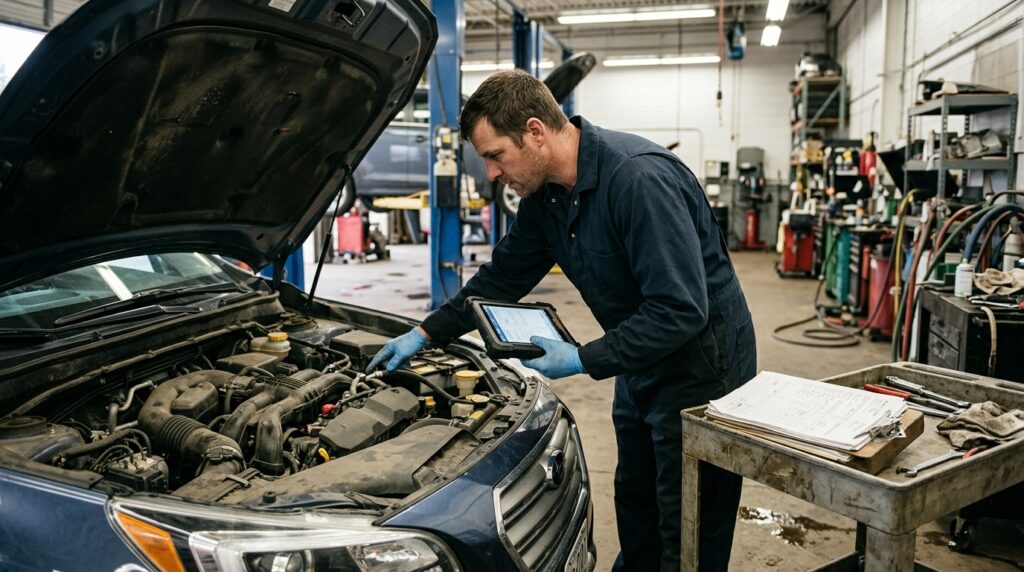
Before filing a used car lemon law claim, organize the claim like a case file. Start with the purchase documents. Include the sales contract, financing documents, Buyers Guide, warranty paperwork, certified pre-owned documents, service contract, odometer disclosure, and any written promises from the dealer.
Next, collect the repair history. Include every repair order, even if the dealer says “no problem found.” Those records still show that you reported the issue. If the same complaint appears several times, the pattern may matter. Also include photos of dashboard warnings, videos of symptoms when safe to capture, and a written log of dates, mileage, symptoms, and service visits.
Check Recalls, Defects, and Safety Issues
Used vehicles can be sold with open recalls, so buyers should check the VIN. The NHTSA recall lookup tool lets consumers search for open safety recalls by VIN. If your vehicle has an open recall related to your defect, save the recall notice and repair record.
A recall does not automatically create a lemon law claim, and a recall repair does not automatically end one. If the recall remedy is performed but the same problem returns, the post-recall repair visits may become important. For more detail, read Recall vs. Lemon Law: Why a Free Repair May Not Be Enough.
Also compare your symptoms to common lemon law defects. Your site’s article on common defects that qualify for lemon law claims can help buyers understand why recurring engine, transmission, brake, steering, suspension, electrical, and safety technology issues may be serious.
Used car lemon law claims require careful review. The strongest claims usually involve an active warranty, repeated repair attempts, a serious defect, clear documentation, and a timeline showing that the issue was not fixed. The weakest claims usually involve missing paperwork, vague complaints, expired coverage, or problems that were never reported to an authorized repair facility.
If your used vehicle keeps failing, do not wait. Check the warranty, save the Buyers Guide, search for recalls, document every repair visit, and keep a clear defect log. A used car may have a longer history than a new one, but that history can work in your favor if it shows the same problem kept coming back. The better your records, the easier it becomes to understand whether your defective used car may qualify as a lemon.