
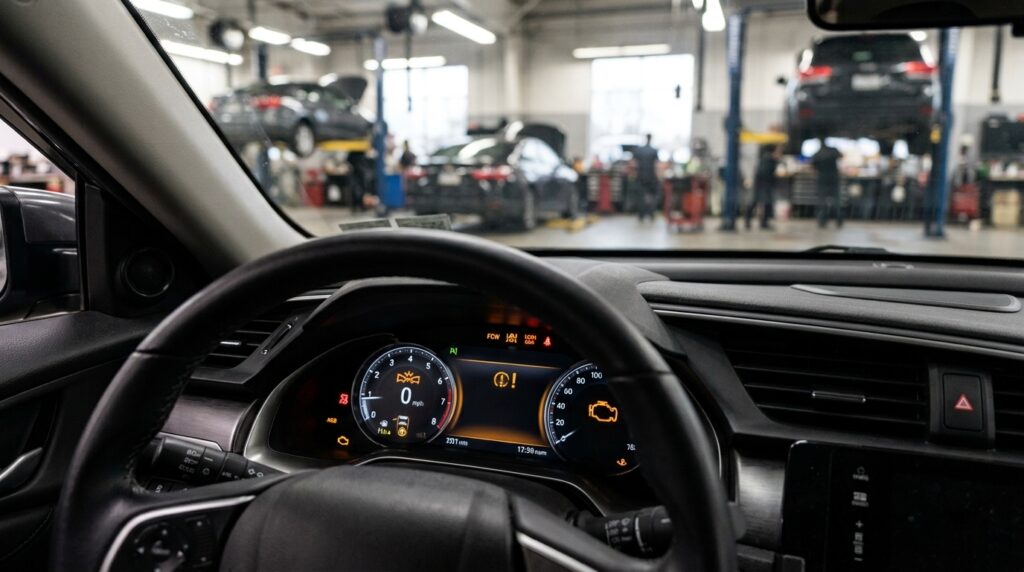
Modern vehicles are no longer just engines, transmissions, brakes, and wheels. Many new cars now rely on advanced driver assistance systems, commonly called ADAS, to help with lane keeping, emergency braking, blind-spot monitoring, adaptive cruise control, parking assistance, rearview cameras, and collision warnings. These features can be useful, but when they fail repeatedly, the problem can become more than a minor inconvenience.
An ADAS defect may affect how safely and confidently a driver can use the vehicle. A warning light that appears once may not be enough to create a lemon law issue. But when the same camera, radar sensor, warning system, or safety software keeps failing after repair attempts, the situation may deserve closer attention. Lemon laws generally focus on defects that substantially impair the vehicle’s use, value, or safety. A recurring safety technology failure can fit that concern when it affects normal driving or creates a risk on the road.
This article explains how ADAS defects may connect to lemon law claims, what drivers should document, and why “software fix” does not always mean the problem is truly solved. This information is general and should not be treated as legal advice. Lemon law rules vary by state, so drivers should review their local requirements or speak with a qualified lemon law attorney.
Why ADAS Defects Are Becoming Lemon Law Issues
Driver assistance technology is now built deeply into vehicle operation. In some vehicles, one camera or sensor can support multiple systems at the same time. If that component fails, the driver may lose lane keeping assistance, automatic emergency braking alerts, adaptive cruise control, blind-spot warnings, or rearview camera visibility. That is why ADAS problems can feel more serious than a basic dashboard glitch.
The challenge is that these problems are often intermittent. The system may fail during rain, fog, cold weather, bright sunlight, highway driving, or after a software update. Then, when the driver brings the car to the dealership, the technician may say the problem cannot be duplicated. That does not always mean the problem is not real. It means the driver needs stronger documentation.
Smart Features Can Affect Safety, Use, and Value
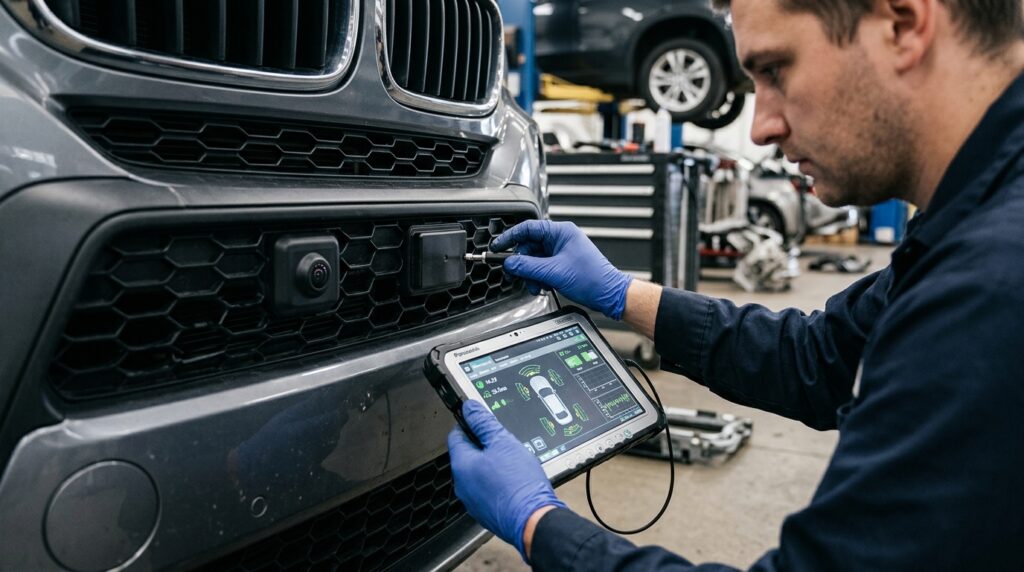
For lemon law purposes, the key question is not simply whether the car has a technology problem. The stronger question is whether the defect affects the vehicle’s safety, use, or value. A temporary infotainment lag may be annoying, but a recurring failure in a forward collision system, braking alert, blind-spot monitor, or rearview camera may create a more serious issue.
Drivers should pay attention to how the defect changes real-world use. Does the warning system shut off while driving? Does the vehicle suddenly disable safety features? The backup camera go black when reversing? Adaptive cruise control brake unexpectedly or fail to detect traffic properly? The dashboard repeatedly display safety system errors? These details matter because they show how the defect affects daily driving.
One failed camera can disable several systems
Many drivers think of cameras and sensors as optional convenience features. In reality, they can be tied to essential safety functions. A front camera may help support lane keeping and collision alerts. A rear camera may affect reversing visibility. Radar sensors may support adaptive cruise control and automatic emergency braking. When one part fails, several safety features may stop working together.
This is why repair records should describe the full impact of the problem. Instead of only saying “camera issue,” the driver should explain what stopped working and when. For example, “front camera fault appeared while driving, lane keeping disabled, collision warning unavailable, and cruise control stopped working.” Clear language helps create a stronger repair history.
A recall does not automatically solve your vehicle problem
Many ADAS and software-related issues are handled through recalls or technical service updates. A recall can be important, especially when the defect involves safety. However, a recall repair does not automatically end a possible lemon law concern if the same problem continues after the remedy is performed.
Drivers should keep copies of recall notices, repair invoices, software update records, and dealership notes. If the manufacturer says the issue has been fixed but the same warning returns, that follow-up visit may become important. For official recall information, consumers can use the NHTSA recall lookup tool to check open safety recalls by VIN.
Why Intermittent ADAS Problems Are Hard to Prove
Intermittent defects are frustrating because they may not appear during a dealership inspection. A driver may experience the same safety warning five times in one week, but the system may work normally when the technician starts the car. This is common with software, sensors, cameras, modules, and wiring issues.
That is why drivers should not rely only on the dealership to find the problem. They should build a clear timeline. Write down the date, mileage, weather, speed, road condition, dashboard message, and what feature stopped working. If safe, take photos or videos of the warning messages. Save every repair order, even if the dealer writes “unable to duplicate concern.”
Your site already has a helpful related guide on over-the-air updates and software defects. That article connects well with ADAS problems because many safety technology failures are now corrected, adjusted, or temporarily masked through software updates.
Dealership “no problem found” notes can still matter
A “no problem found” repair order may feel useless, but it can still help document that the driver reported the issue. If the same complaint appears on several repair orders, it can show a pattern. The key is to make sure the service department writes the complaint accurately.
Before leaving the dealership, drivers should review the repair order. If the document says “customer states warning light,” but the real issue was that the forward collision system disabled while driving, ask for the wording to be corrected. Vague repair records can weaken the claim. Specific repair records can help show that the issue affects safety and normal use.
What Drivers Should Do When Safety Tech Keeps Failing
If an ADAS defect keeps returning, drivers should act quickly and carefully. Waiting too long can create problems, especially in states with strict lemon law deadlines. Some claims must be made within a warranty period, mileage limit, or specific time after delivery. The exact rules depend on the state.
Start by reporting the issue every time it happens. Do not wait until the problem becomes constant. If the defect affects braking alerts, cameras, lane keeping, steering assistance, blind-spot monitoring, or other safety features, schedule service and ask the dealership to document the complaint in detail. If a software update is performed, ask for written confirmation of the update name, date, mileage, and purpose.
How Documentation Can Strengthen an ADAS Lemon Law Claim

Strong documentation is the foundation of most lemon law claims. This is especially true for ADAS defects because they can be technical and difficult to reproduce. Helpful records may include repair invoices, warranty documents, purchase or lease agreements, photos of warning messages, videos of system failures, recall notices, and written communication with the dealership or manufacturer.
Drivers should also keep a simple defect log. The log should include each date the problem happened, the mileage, the driving situation, the dashboard warning, and whether the vehicle was taken in for service. This makes it easier to show a repeated pattern instead of isolated complaints.
For broader claim preparation, read How to File a Lemon Law Claim. You can also review Common Defects That Qualify for Lemon Law Claims to understand how recurring vehicle problems may be evaluated.
Do not rely only on dashboard warnings
Dashboard warnings are useful, but they may disappear after restarting the vehicle or after a software reset. Drivers should capture evidence when it is safe to do so. A photo of the warning message, a short video showing the malfunction, and a repair order confirming the complaint can be much stronger together than a verbal statement alone.
Drivers should also avoid describing the issue casually. Instead of saying, “The car acts weird,” describe the exact safety feature that failed. For example, “blind-spot monitoring unavailable,” “rear camera screen black while reversing,” “automatic emergency braking warning disabled,” or “lane keeping system shut off during highway driving.” Specific details help the attorney, manufacturer, arbitrator, or court understand the seriousness of the defect.
ADAS defects are becoming more important because vehicles are becoming more dependent on software, sensors, and automated warnings. When those systems work properly, they can help drivers. When they fail repeatedly, they can create safety concerns, reduce vehicle value, and make daily driving stressful.
If your vehicle’s safety technology keeps failing after repair attempts, do not ignore it. Document the issue, keep every repair order, check for recalls, and review your lemon law options. A recurring ADAS defect may not look like an old-fashioned engine or transmission failure, but it can still affect the safety, use, and value of the vehicle. In a modern car, a software or sensor problem can be a serious defect.